PC Tricks: Top Tips & Hidden Hacks to Boost Your Computer Performance
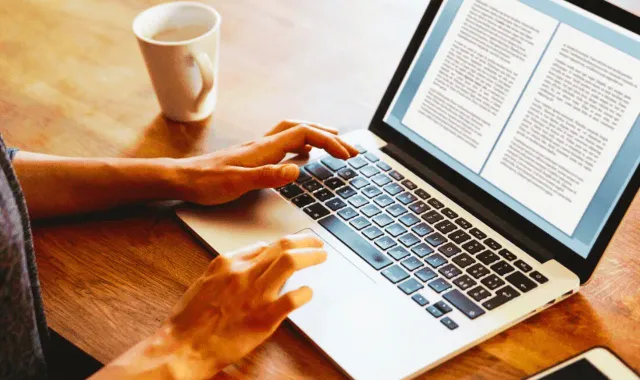
In the fast-paced digital landscape of 2026, our computers are more than just tools; they are the central hubs of our professional lives, creative outlets, and entertainment universes. However, even the most powerful machines can begin to feel sluggish over time. Whether you are running the latest iteration of Windows 11, exploring the early builds of Windows 12, or managing a high-end workstation, performance degradation is a common foe. The “human touch” in computing isn’t just about having the fastest processor; it is about understanding how to harmonize your software environment with your hardware capabilities. This comprehensive guide delves deep into the world of pc tricks optimization, offering a mix of foundational maintenance and “hidden hacks” that even seasoned power users might overlook.
Understanding the Modern Bottleneck
Before diving into the tricks, it is vital to understand why computers slow down. In 2026, the primary culprits are no longer just fragmented hard drives—since SSDs have largely replaced HDDs—but rather “resource bloat.” Modern applications are hungrier for RAM and background processing power than ever before. Every time you install a new utility, there is a high probability it adds a small weight to your system’s “backpack.” Over time, these weights accumulate, leading to longer boot times, latency in application switching, and frustrating stutters during high-intensity tasks like 4K video editing or gaming. To combat this, we must adopt a multi-layered approach that addresses the operating system, the file system, and the hardware interface.
Mastering the Startup Sequence
One of the most effective ways to feel an immediate difference in speed is to audit your startup sequence. Most users are unaware of how many programs “piggyback” on the boot process. By the time you see your desktop, your pc tricks might already be running twenty different processes that you don’t actually need yet. To reclaim your speed, right-click the Taskbar and open the Task Manager (or use the shortcut Ctrl + Shift + Esc). Navigate to the “Startup apps” tab. Here, you will see a list of applications with a “Startup impact” rating. Your goal is to disable anything that isn’t essential for the system to function. For instance, do you really need your printer software or a music streaming app to launch the second you turn on your PC? Probably not. Disabling these ensures that your CPU and RAM are focused entirely on getting you to work faster.
Deep Cleaning the Digital Attic
Beyond the startup apps lies the “digital junk” that accumulates in temporary folders. Windows creates temporary files every time you browse the web, install an update, or run a complex program. While these are meant to be temporary, the system often fails to delete them. Using the “Storage Sense” feature in Windows settings is a great start, but for a true deep clean, you should manually clear the Prefetch and Temp folders. Press Win + R, type %temp%, and hit Enter. Delete everything in that folder. Repeat the process for the temp (without percent signs) and prefetch folders. This clears out cached data that can sometimes conflict with new processes, leading to a much snappier experience.
Critical System Performance Comparison
To give you a clearer picture of where your focus should lie, refer to the table below. It outlines the impact of various optimization techniques based on current 2026 hardware standards.
| Optimization Technique | Difficulty Level | Impact on Speed | Frequency Recommended |
| Disabling Startup Apps | Easy | High | Monthly |
| Clearing Temp Files | Easy | Moderate | Weekly |
| Updating Drivers | Medium | High | Every 2 Months |
| Overclocking CPU/GPU | Hard | Very High | Once (with caution) |
| Registry Cleaning | Medium | Low | Quarterly |
| SSD Optimization (TRIM) | Easy | Moderate | Automatic/Monthly |
| Thermal Paste Re-application | Hard | High | Every 2 Years |
The Power of the Ultimate Performance Mode
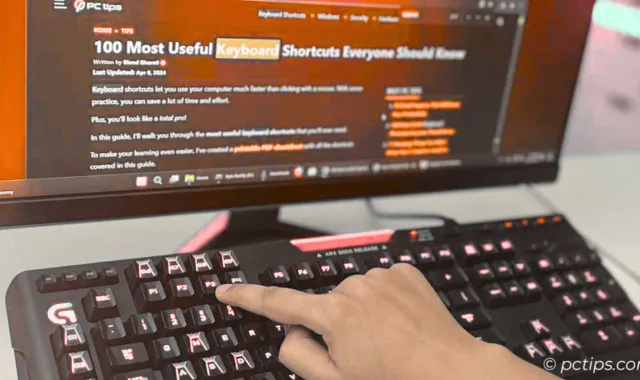
For users who demand every ounce of power from their hardware, Windows has a hidden “Ultimate Performance” power plan that is not visible by default on many laptops or even some desktops. This plan goes beyond the standard “High Performance” setting by eliminating micro-latencies associated with fine-grained power management techniques. To unlock it, open the Command Prompt as an administrator and type: powercfg -duplicatescheme e9a42b02-d5df-448d-aa00-03f14749eb61. Once you hit Enter, go to your Control Panel > Hardware and Sound > Power Options, and you will see the new Ultimate Performance plan. This is particularly useful for creators using AI-heavy applications or gamers looking for the most stable frame rates. However, be aware that on laptops, this will drain your battery significantly faster.
Optimizing Visual Effects for Speed
Windows is a beautiful operating system, filled with transparencies, animations, and shadows. While these look great, they consume GPU and CPU cycles. If you value performance over aesthetics, you can make your pc tricks feel significantly faster by trimming these “visual luxuries.” Search for “Adjust the appearance and performance of Windows” in your start menu. In the dialog box, select “Adjust for best performance.” This will turn off window animations and shadows. If the text looks a bit jagged afterward, you can manually re-check “Smooth edges of screen fonts” to keep the readability high while maintaining the speed boost. This “hack” is one of the most effective ways to breathe new life into older hardware or budget laptops.
The Hidden World of Background Apps
In the modern OS ecosystem, applications love to stay “alive” even when you’ve closed them. They run in the background to send you notifications or download updates. While convenient, this is a silent killer of system responsiveness. To fix this, head to Settings > Apps > Installed Apps. For each app that you don’t need running constantly, click the three dots, go to “Advanced options,” and set the “Background apps permissions” to “Never.” Doing this for just five or ten apps can free up hundreds of megabytes of RAM, which is crucial if you are a “tab hoarder” in web browsers like Chrome or Edge.
Advanced Browser Optimization
Speaking of browsers, they are often the most-used software on any PC. In 2026, web pages are heavier than ever, loaded with scripts and high-res media. To boost your computer’s performance, you must optimize your browser. First, ensure “Hardware Acceleration” is turned on in your browser settings; this offloads tasks from your CPU to your GPU. Second, use an extension like “uBlock Origin” to prevent heavy ads and tracking scripts from loading. Finally, utilize “Efficiency Mode” or “Tab Sleeping” features. These features essentially “freeze” tabs you haven’t looked at in a while, ensuring they don’t consume CPU power while you are working in another window.
Maintaining Hardware Health
We often focus so much on software that we forget the physical machine. Heat is the number one enemy of performance. When a computer gets too hot, it engages in “thermal throttling,” artificially slowing down the processor to prevent permanent damage. In 2026, with components running at higher clock speeds than ever, keeping your pc tricks cool is vital. Ensure your desktop’s dust filters are clean and that fans are spinning correctly. For laptop users, using a cooling pad or simply ensuring the vents aren’t blocked by a blanket or carpet can result in a 10-15% performance increase during sustained workloads. If your pc tricks is more than two years old, consider re-applying thermal paste to the CPU—a small task that can drop temperatures by 10 degrees Celsius or more.
The Role of AI in 2026 PC Optimization
As we move through 2026, AI-driven optimization tools have become more prevalent. Instead of manual registry edits, many users are now using localized AI models that monitor system telemetry in real-time. These tools can predict when a system crash might occur or identify a specific process that is “leaking” memory before it freezes your computer. Platforms like Microsoft’s “Dev Home” and various open-source AI cleaners on GitHub allow users to automate the “human touch” of maintenance. However, always be cautious with third-party “pc tricks Boosters.” Many are “snake oil” or, worse, adware. Stick to reputable, well-reviewed tools or, better yet, the manual methods described in this guide.
Network Optimization for System Fluidity
It might seem strange, but your internet settings can affect your perceived pc tricks performance. A system that hangs while waiting for a network response can feel “laggy.” To optimize this, ensure your DNS (Domain Name System) is set to a fast provider like Cloudflare (1.1.1.1) or Google (8.8.8.8). Furthermore, disabling “Windows Update Delivery Optimization” can stop your PC from using its upload bandwidth to send update files to other computers on the internet. Go to Settings > Windows Update > Advanced options > Delivery Optimization and turn it off. This preserves your bandwidth and reduces background CPU usage.
The Importance of Regular Reboots
It sounds cliché, but the “Have you tried turning it off and on again?” advice is more relevant in 2026 than ever. With “Fast Startup” enabled by default in Windows, clicking “Shut Down” doesn’t actually fully close all processes; it saves the state of the kernel to the disk to make the next boot faster. Over weeks, this can lead to “kernel bloat.” Clicking “Restart” actually flushes the RAM and restarts the kernel from scratch. A weekly restart is often the simplest “hack” to clear out deep-seated software glitches and reset your system’s performance clock.
Debloating the Windows Installation
Many PCs come with “bloatware”—pre-installed software from the manufacturer that you never asked for. In 2026, even clean installs of Windows come with “suggestions” and pre-installed apps like TikTok or Instagram. Using a “debloater” script (available on platforms like GitHub) can remove these system-level distractions in one go. These scripts can disable telemetry (Windows spying), remove OneDrive if you don’t use it, and strip away the “fluff” from the Start menu. A “lean” Windows installation can run on 2GB less RAM on average than a standard one, providing a massive buffer for your actual work.
Hard Drive vs. SSD: The Final Word
By 2026, if you are still running your OS on a mechanical hard drive (HDD), no amount of software tricks will make your pc tricks “fast.” The single greatest hardware hack is upgrading to an NVMe M.2 SSD. The jump from an HDD to a SATA SSD was big, but the jump to a Gen5 NVMe drive is astronomical. These drives can move data at speeds exceeding 10,000 MB/s. This means apps open instantly, and the system never “hangs” while waiting for data to be read from the disk. If your motherboard supports it, this is the best money you can spend on your computer.
GPU Driver Management
For those involved in gaming or creative work, the GPU is the heart of the machine. Manufacturers like NVIDIA and AMD release drivers frequently. However, sometimes “Express Installations” leave behind remnants of old drivers that cause conflicts. Using a tool called DDU (Display Driver Uninstaller) allows you to completely wipe the old driver in Safe Mode before installing the new one. This ensures a “clean slate” and can fix mysterious frame drops or application crashes that standard updates might miss.
Virtual Memory and Pagefile Tweaks
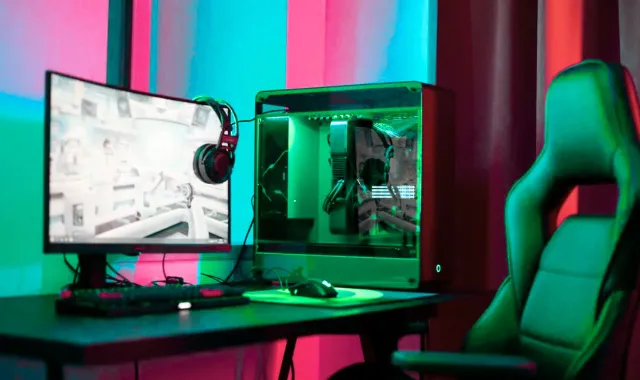
Windows uses a section of your SSD as “Virtual Memory” (the Pagefile) if you frequently run out of RAM. While Windows manages this automatically, you can sometimes see a performance boost by setting a manual size, especially if you have a very fast SSD. Setting the initial and maximum size to 1.5 times your physical RAM can prevent the system from constantly resizing the file, which causes momentary stutters during heavy multitasking.
FAQs
Q: Does upgrading to 32GB of RAM really make a difference in 2026?
A.w: Yes, absolutely. In 2026, 16GB has become the “bare minimum” for comfortable multitasking. With AI tools, high-resolution browsers, and modern OS requirements, 32GB provides the “breathing room” necessary to prevent the system from swapping data to the slower SSD Virtual Memory, resulting in a much smoother experience.
Q: Is it safe to use registry cleaners?
A.w: Generally, no. Most modern operating systems manage the registry quite well. While a few orphaned keys won’t slow you down, an over-aggressive registry cleaner can delete vital system paths, leading to “Blue Screen of Death” errors. Only use them if you are troubleshooting a very specific software uninstallation issue.
Q: Can I really speed up my pc tricks just by cleaning the dust out?
A.w: Yes! Dust acts as an insulator, trapping heat inside your components. When the CPU or GPU gets too hot, they “downclock” to stay safe. By removing dust, you allow the cooling system to work efficiently, enabling your hardware to maintain its maximum “Boost” clock speeds for longer periods.
Q: Does disabling Windows Defender speed up my PC?
A.w: While it might technically free up some CPU cycles, it is highly discouraged. In 2026, the security threats are too sophisticated to run a machine without real-time protection. Instead of disabling it, ensure you aren’t running two different antivirus programs at once, as they will fight for resources and significantly slow you down.
Q: What is “Game Mode” and should I leave it on?
A.w: Windows Game Mode should definitely stay on. It prioritizes the active window (usually your game or heavy application) and prevents Windows Update from installing drivers or sending restart notifications in the background. It is a smart way to ensure your hardware’s focus remains where you want it.
Q: Are “PC Booster” apps worth the money?
A.w: Most are not. Most of what these apps do—clearing temp files, managing startup apps—can be done for free using the methods described in this article. Often, these apps run in the background themselves, actually consuming more resources than they save.
Q: How often should I perform a clean install of Windows?
A.w: A good rule of thumb is once every 18 to 24 months. Over time, “system rot” occurs where tiny configuration errors and leftover file fragments build up. A clean install is the “nuclear option” that restores your PC to its Day 1 performance levels.
Conclusion
Boosting your computer’s performance in 2026 is a blend of digital hygiene and strategic hardware management. By taking control of your startup applications, diving into hidden power settings like “Ultimate Performance,” and maintaining the physical health of your machine, you can ensure that your PC remains a fast, reliable partner in your daily tasks. Remember, a fast computer isn’t just about the specs on the box; it’s about how well you maintain the ecosystem within. Treat your pc tricks with a “human touch”—clean it, prune it, and respect its limits—and it will reward you with years of lightning-fast performance. Whether you’re a gamer, a professional, or a casual user, these tips and hacks are your roadmap to a superior computing experience.